
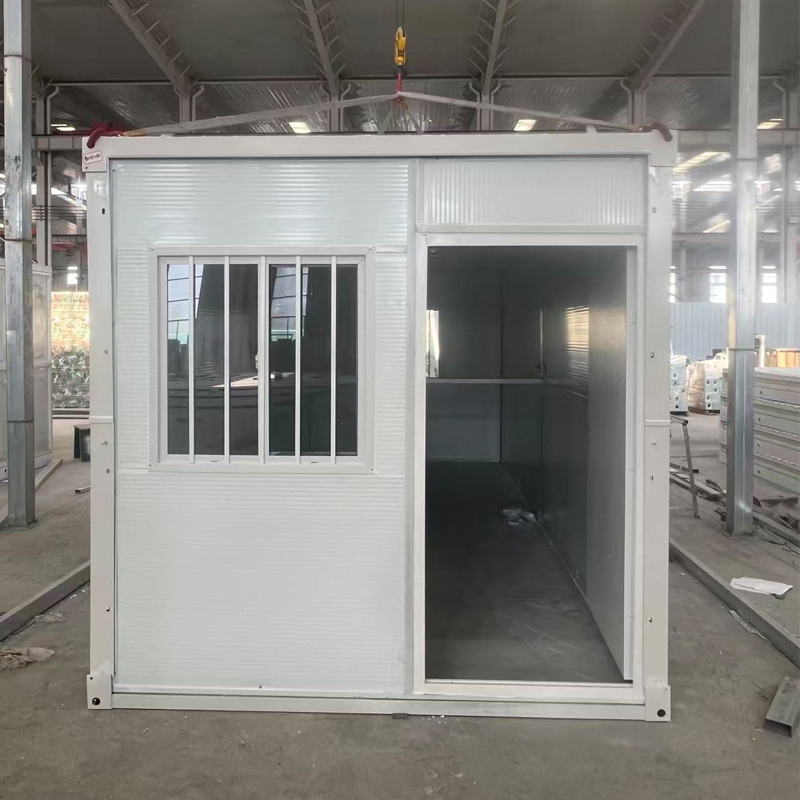
The Complete Buying Guide for Container Houses in 2025
Purchasing container houses is a significant investment that requires careful planning and informed decision-making. This comprehensive guide walks you through every aspect of the buying process, from initial research to final installation.
Step 1: Define Your Requirements
Before contacting suppliers, clearly document your project requirements:
Essential Questions to Answer
-
Purpose: What will the container house be used for?
- Residential accommodation
- Commercial/retail space
- Industrial/storage facility
- Specialized application (medical, educational, etc.)
-
Capacity: How many people will use the space?
- Single occupancy: 15-20m² minimum
- Shared accommodation: 4-6m² per person
- Office space: 7-10m² per workstation
-
Duration: Temporary or permanent installation?
- Temporary (under 2 years): Standard or folding containers
- Permanent: Heavy-duty or expandable containers recommended
-
Location: Climate and site conditions
- Extreme temperatures: Enhanced insulation required
- Coastal areas: Corrosion-resistant materials essential
- Remote sites: Consider transport accessibility
Create a Requirements Checklist
Use this template to organize your specifications:
| Category | Specification | Your Requirement |
|---|---|---|
| Size | Length × Width × Height | ___ × ___ × ___ m |
| Capacity | Number of occupants | ___ people |
| Insulation | Climate zone | Cold / Temperate / Hot |
| Electrical | Voltage / Phase | 110V / 220V, Single / Three |
| Plumbing | Water connection type | Municipal / Tank / Well |
| Customization | Special features | __________________ |
| Timeline | Delivery deadline | ___ weeks |
Step 2: Evaluate Suppliers
Not all container house manufacturers are equal. Here’s how to identify reliable partners:
Key Supplier Criteria
1. Manufacturing Capabilities
- In-house production: Better quality control and customization
- Production capacity: Can they meet your volume and timeline?
- Technology: Modern equipment and processes
- Certifications: ISO 9001, CE, or equivalent
2. Experience & Track Record
- Years in business: Minimum 5 years recommended
- Project portfolio: Similar projects to yours
- Client references: Request and verify testimonials
- Export experience: Crucial for international buyers
3. Quality Assurance
Ask potential suppliers about:
- Material specifications and certificates
- Welding standards and inspection processes
- Surface treatment and corrosion protection
- Testing procedures (waterproofing, structural load)
Red Flags to Avoid
⚠️ Warning signs of unreliable suppliers:
- Prices significantly below market average (30%+ cheaper)
- Unwilling to provide factory audit or video call
- No verifiable client references
- Vague or incomplete quotations
- Pressure to make quick decisions
Step 3: Understand Pricing
Container house pricing varies based on multiple factors:
Price Components
| Factor | Impact on Price | Typical Range |
|---|---|---|
| Size | Linear relationship | $50-150/m² |
| Insulation | 15-30% of base price | $20-50/m² |
| Interior finish | 10-40% of base price | $15-60/m² |
| Customization | Varies widely | $100-500+ per feature |
| Quantity | Volume discounts | 5-15% for 10+ units |
Sample Price Ranges (FOB China, 2025)
| Container Type | Size | Price Range (USD) |
|---|---|---|
| Standard 20ft | 15m² | $2,000 - $4,000 |
| Standard 40ft | 30m² | $3,500 - $6,500 |
| Folding 20ft | 15m² | $3,000 - $5,500 |
| Expandable 20ft | 30m² expanded | $5,000 - $9,000 |
| Luxury finished | 30m² | $8,000 - $15,000 |
Hidden Costs to Consider
Don’t forget these additional expenses:
- Shipping: 10-30% of product cost (varies by destination)
- Import duties: Check your country’s tariff rates
- Site preparation: Foundation, utilities connection
- Installation: Labor costs if not self-installing
- Permits: Building permits and inspections
Step 4: Shipping & Logistics
Shipping Options
-
Container shipping: Most economical for bulk orders
- Standard containers: 8 units per 40ft container (nested)
- Folding containers: 12-16 units per 40ft container
-
Flat rack: For oversized or pre-assembled units
- Higher cost but reduced on-site assembly
-
Break bulk: For very large orders or special configurations
Shipping Timeline
| Destination | Transit Time |
|---|---|
| Southeast Asia | 7-14 days |
| Middle East | 18-25 days |
| Africa | 25-35 days |
| Europe | 30-40 days |
| Americas | 25-45 days |
| Australia/NZ | 18-28 days |
Documentation Requirements
Ensure your supplier provides:
- Commercial invoice
- Packing list
- Bill of lading
- Certificate of origin
- Product test reports
- Assembly instructions
Step 5: Quality Inspection
Pre-Shipment Inspection
We strongly recommend third-party inspection before shipment:
What to Inspect
-
Structural integrity
- Weld quality and completeness
- Steel thickness verification
- Square and level measurements
-
Surface treatment
- Paint thickness and coverage
- Rust prevention application
- Color consistency
-
Components
- Door and window operation
- Electrical system testing
- Plumbing pressure test
- Insulation installation
-
Finish quality
- Floor installation
- Interior surfaces
- Hardware and fixtures
Inspection Standards
Reference these international standards:
- ISO 1496: Freight container specifications
- ASTM E330: Structural performance of exterior windows
- IEC 60364: Electrical installation standards
Step 6: Installation & Setup
Site Preparation Checklist
Before your containers arrive:
- Level ground or foundation prepared
- Utility connections available (power, water, drainage)
- Access route cleared for delivery trucks
- Permits and approvals obtained
- Tools and equipment ready for assembly
Installation Timeline
| Container Type | Personnel | Time Required |
|---|---|---|
| Standard | 2-3 people | 2-4 hours |
| Folding | 2-3 people | 15-30 minutes |
| Expandable | 2-3 people | 30-60 minutes |
| Multi-unit complex | 4-6 people | 1-3 days |
Post-Installation
After setup, verify:
- All connections are secure and functional
- Doors and windows operate smoothly
- Electrical systems are properly grounded
- Plumbing has no leaks
- HVAC systems function correctly
Step 7: Maintenance & Warranty
Typical Warranty Coverage
| Component | Standard Warranty |
|---|---|
| Structure | 5-10 years |
| Roof | 3-5 years |
| Electrical | 1-2 years |
| Plumbing | 1-2 years |
| Fixtures | 6-12 months |
Maintenance Schedule
Monthly:
- Check for water leaks
- Test electrical outlets and switches
- Inspect door and window seals
Annually:
- Touch up paint as needed
- Check roof sealant
- Service HVAC systems
- Inspect foundation for settling
Conclusion
Buying container houses requires thorough research and careful planning, but the rewards—cost savings, rapid deployment, and flexibility—make it worthwhile for many applications. By following this guide and working with reputable suppliers, you can ensure a successful project from start to finish.
Next Steps
Ready to start your container house project?
- Define your requirements using our checklist above
- Request quotations from multiple suppliers
- Schedule factory visits (in-person or virtual)
- Compare options and negotiate terms
- Place your order with confidence
Contact SinoSure for a free consultation and competitive quotation tailored to your specific needs.
Have questions? Our team is ready to help. Reach out via WhatsApp or email at [email protected].